
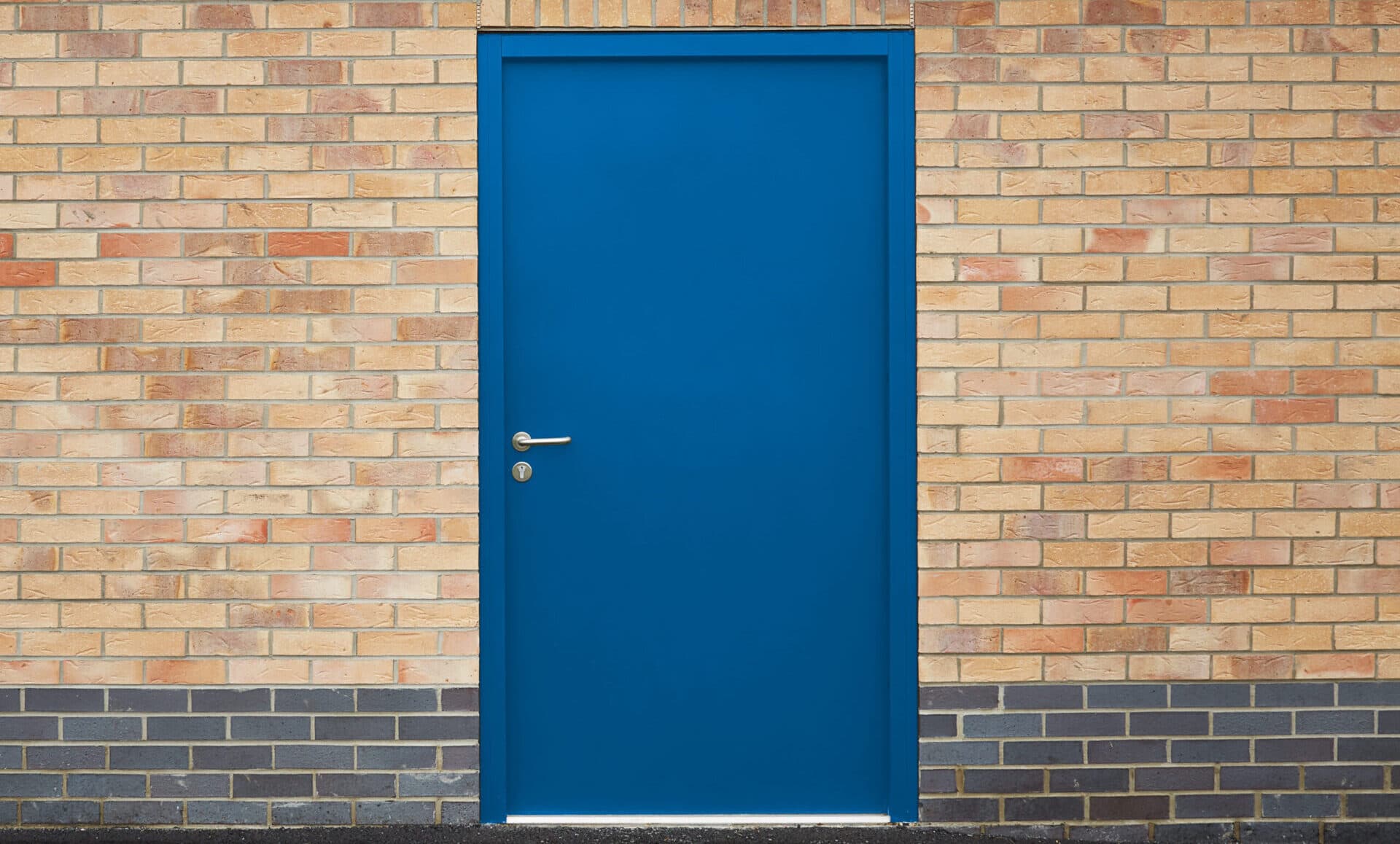
Modern businesses expect far more from their steel doors than a simple physical barrier. Today, an entrance needs to reflect your brand, comply with fire and security regulations, improve energy efficiency and, increasingly, integrate with smart access control systems.
Whether you operate a retail unit, warehouse, school, healthcare facility or commercial office, a bespoke steel door set allows you to achieve the perfect fit, select finishes that reinforce your company identity and incorporate hardware tailored to your security requirements.
Why Choose Custom Steel Doors?
Off-the-shelf doors can work for basic applications. However, for commercial premises, they often compromise on performance, appearance or compliance.
1. Perfect Fit and Regulatory Compliance
Every building opening is slightly different. A made-to-measure steel door eliminates gaps and weak points, reduces draughts and heat loss, improves acoustic and thermal performance, and ensures compliance with PAS 24, LPS 1175, and fire ratings such as FD30 or FD60.
2. Tailored Performance Features
Bespoke steel door sets can be engineered for thermal insulation for external doors, acoustic reduction for studios or plant rooms, high-traffic durability for schools and retail units, and enhanced fire resistance for escape routes.
3. Brand Consistency & Professional Appearance
With a custom steel door, you can match corporate colours, incorporate glazing for a welcoming feel, add decorative panels for a traditional aesthetic, and create cohesive wide openings with matching side panels.
Colour & Finish Options for Steel Doors
Powder-Coated Steel Doors
Powder coating provides durable, scratch-resistant finish, UV stability for external doors, wide choice of RAL colours, and low maintenance. Ideal for retail units, offices and commercial buildings.
Woodgrain Steel Doors
Woodgrain finishes provide traditional aesthetic, steel security performance, fire-rated capability, and reduced maintenance compared to timber. Perfect for heritage buildings, schools or properties where appearance must complement surrounding architecture.
Decorative Panels & Custom Detailing
Bespoke steel doors can include Georgian-style panels, flush minimalist designs, vision panels, matching side screens and top lights, and coordinated trims and frames.
Glazed Steel Doors
Adding glazing to a steel door improves both function and appearance. Benefits include increased natural light, improved visibility, enhanced reception aesthetics, and safer internal fire doors with vision panels. Glazing options include clear glass, frosted or obscured glass, tinted glass, fire-rated glazing, and laminated anti-bandit glass.
Louvred Steel Doors
Louvred steel doors are essential where ventilation is required without compromising security. Ideal for plant rooms, bin stores, electrical rooms, boiler rooms, and data centres. Bespoke designs can combine glazing and louvres within the same door leaf.
Multi-Point Locks & Smart Access Control
Multi-Point Locking Systems
A multi-point locking system secures the door at several points along the frame. Benefits include even pressure distribution, reduced risk of warping, higher security ratings, and improved sealing performance.
Panic Bars & Emergency Exit Hardware
Panic bars allow fast egress in emergencies, comply with fire safety regulations, and are commonly required in schools, retail units and offices.
Electronic Access & Smart Locking Systems
Modern steel doors can integrate with keypads, card readers, fob systems, biometric readers, remote access systems, and building management systems. Electronic access control allows tracking entry/exit, restricting access, revoking access instantly, and improving site security.
Fire & Security Ratings Explained
PAS 24: UK security standard testing resistance to forced entry. LPS 1175: Graded security ratings (SR1–SR8) for high-risk environments. Fire Ratings: FD30 (30 minutes) and FD60 (60 minutes) — typically required for escape routes, compartmentation, plant rooms, and stairwells.
How to Order a Bespoke Steel Door (Step-by-Step)
Step 1: Measure Accurately — Record structural opening width/height, wall thickness, floor levels, any obstructions.
Step 2: Define Performance Requirements — Fire rating, security rating, acoustic needs, thermal performance, internal or external.
Step 3: Choose Finishes & Hardware — Colour (RAL or woodgrain), locking system, panic hardware, access control, vision panels, louvres.
Step 4: Review Drawings & Approve — Technical drawings, specification sheet, quotation from manufacturer.
Step 5: Professional Installation — Essential for fire compliance, security integrity, and warranty validation.
Frequently Asked Questions
Are custom steel doors more expensive? Initially, yes. However, improved durability, compliance and reduced maintenance often make them more cost-effective long term.
Can steel doors look attractive? Absolutely. With powder coating, woodgrain finishes and glazing options, modern steel doors can complement any commercial facade.
Can I add access control later? It’s best to specify during manufacture, but many systems can be retrofitted.
Why Custom Steel Doors Are a Smart Investment
A steel door is no longer just a security barrier. It is a brand statement, a fire protection measure, a compliance requirement, and a smart security asset. By choosing a bespoke steel door with the right features, your business gains a solution tailored precisely to its operational needs.

